Foreign domestic helpers (FDHs) are a vital pillar of Hong Kong’s social fabric. They provide essential household and caregiving support to countless families, enabling many working parents to participate more fully in the workforce. Living far from their homelands, FDHs not only navigate language barriers and cultural differences, but also endure prolonged separation from their families. At the same time, they shoulder the dual responsibility of supporting their families back home while caring for their employers’ households.
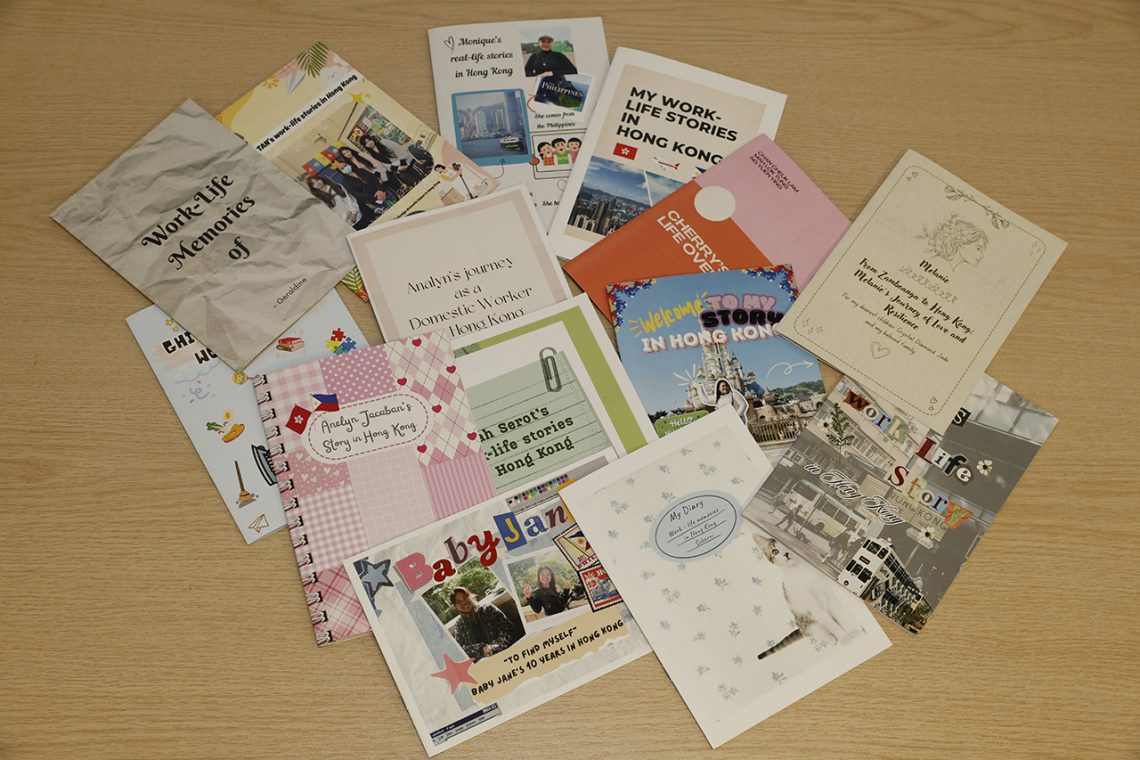
To gain deeper insights into FDHs’ life journeys and daily experiences, students at The Hang Seng University of Hong Kong (HSUHK) conducted in-depth interviews with FDHs working in Hong Kong. These interviews have been compiled into booklets, serving as meaningful records for the interviewees. For students, the project offers an opportunity to step beyond their usual perspectives through experiential learning, enabling them to understand the lives of different communities, reflect on social diversity, and put inclusive education into practice.
This social advocacy initiative project was jointly organised by the Department of Social Sciences’ Bachelor of Social Sciences in Asian Studies programme at HSUHK and “Happy Homes HK” project of the non-profit organisation Mission for Migrant Workers. Under the theme “Care for Care Workers”, the project seeks to foster mutual understanding, respect, and fair treatment among employers, migrant domestic workers, and the broader society. Working in groups, students interviewed 14 FDHs and documented their stories of resilience in Hong Kong. These stories were compiled into booklets and presented to the interviewees as keepsakes.
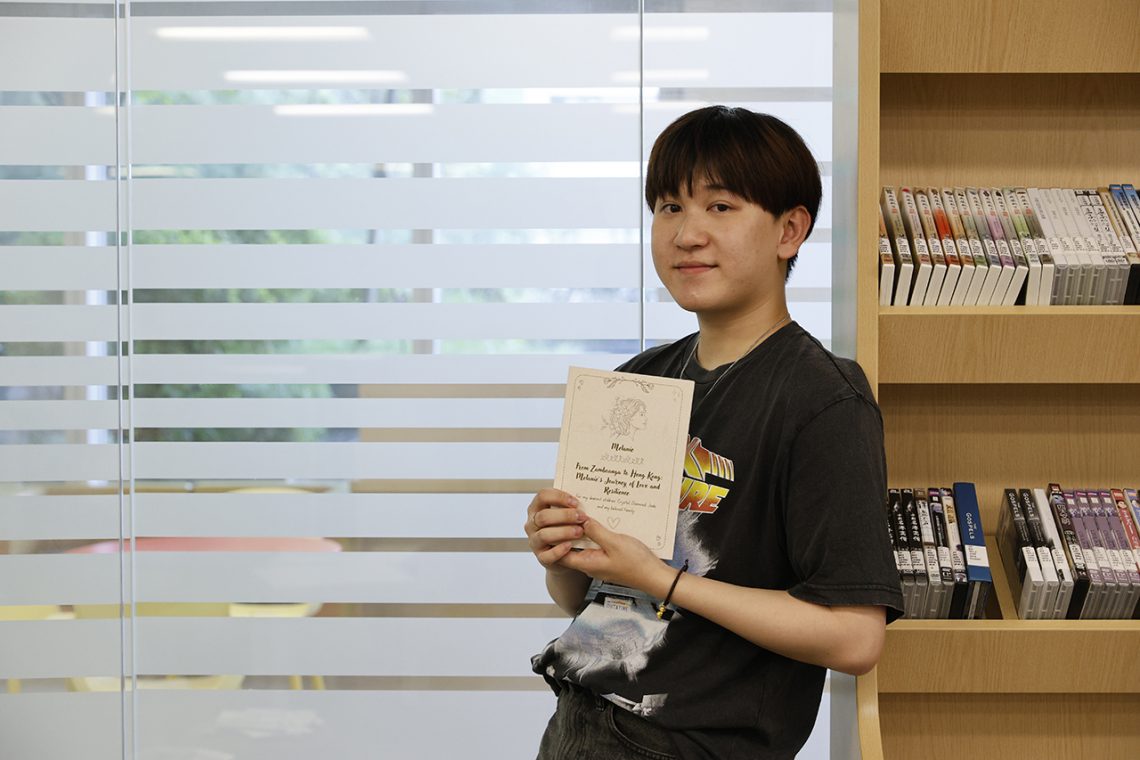
Ivan Ho, a Year 4 student, and his group interviewed Melanie, a Filipino domestic helper. Ivan shared that he once held negative impressions of FDHs because a domestic worker in his family had taken out a loan using his address, which affected his family when he was young. However, through this in-depth interview with Melanie, he gained a deeper understanding of their daily work, learned from their diligence and dedication, and came to appreciate the many difficulties they face. Ivan noted, “Although domestic helpers mainly perform household duties, language barriers, cultural differences and family expectations place work-related and psychological pressures on them that are no less than those faced by typical office workers. Coupled with homesickness, this often creates a heavy emotional burden.” He also observed that many FDHs live in cramped storage rooms or overcrowded conditions, and called on the public to empathise with their situation, recognise their rights to proper living and rest conditions, and provide them with reasonable space, fair treatment and due respect.
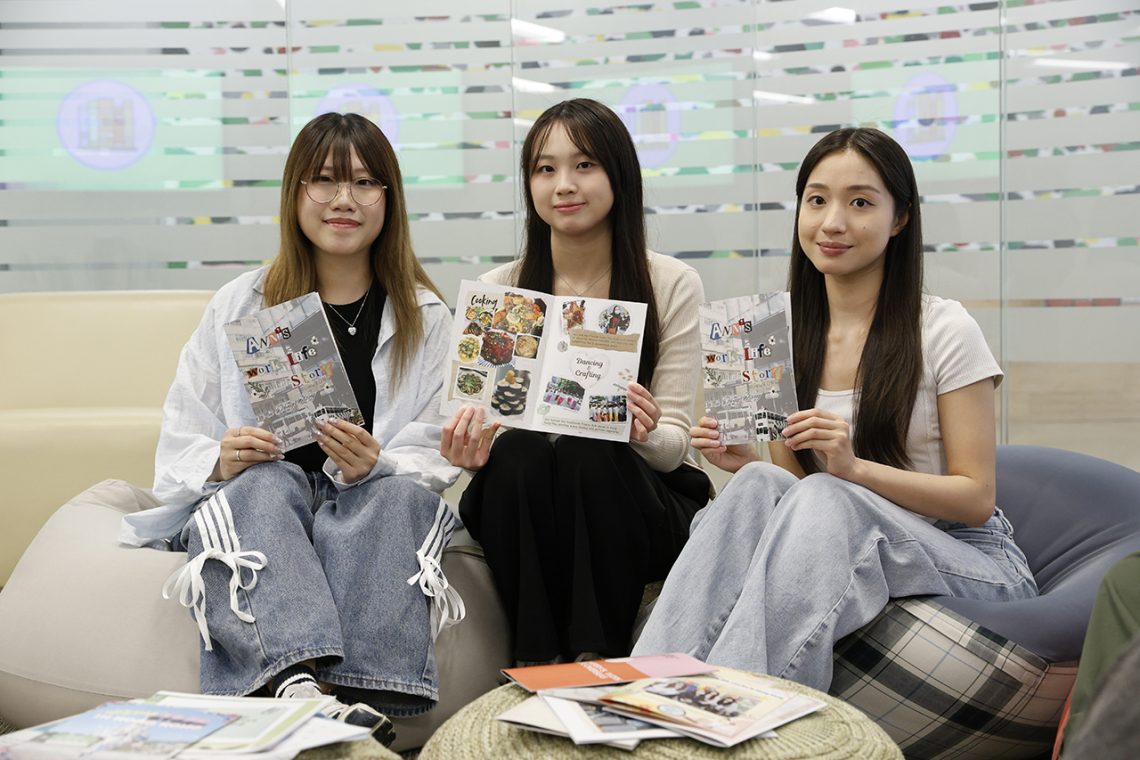
Another Year 4 student, Daisy Fong, and her group interviewed Ann, who left the Philippines to work in Hong Kong when her daughter was just three years old. Despite previous unpleasant employment experiences, Ann has remained optimistic, earning Daisy’s deep admiration. Daisy recalled her own family’s experience of employing FDHs during her childhood. She witnessed how FDHs could only connect with their families via video calls. Although they missed their homes, they found comfort in sharing hometown cuisine and socialising with their compatriots. This interview deepened Daisy’s empathy for FDHs’ situations and heightened her awareness over their long-term separation from family. On weekends, public spaces often become gathering spots for FDHs. Daisy reflects, “Some people see these gatherings as obstructing pedestrian flow, but through this project, I have come to better understand their situation. With only one day off per week, it is natural for them to spend time with fellow compatriots to ease homesickness. We hope society can show greater understanding and acceptance towards this community.” They also suggested that the Government could draw on Singapore’s experience by planning dedicated rest areas for FDHs in collaboration with non-profit organisations and enhancing related facilities.
Ms Maggie Wong, Senior Lecturer of the Department of Social Sciences at HSUHK and the course instructor, remarked that FDHs are often viewed simply as paid workers, with their challenges overlooked. In reality, they are indispensable to Hong Kong, supporting countless families and helping to release local labour capacity. She said, “This project enables students to gain a deeper understanding of the global labour system while paying closer attention to the legal protections and challenges faced by FDHs. Although students may not be able to change systemic issues, the process encourages them to reflect on how to support minority groups at both personal and social levels, fostering empathy and a sense of social responsibility, and contributing to a more inclusive society.”
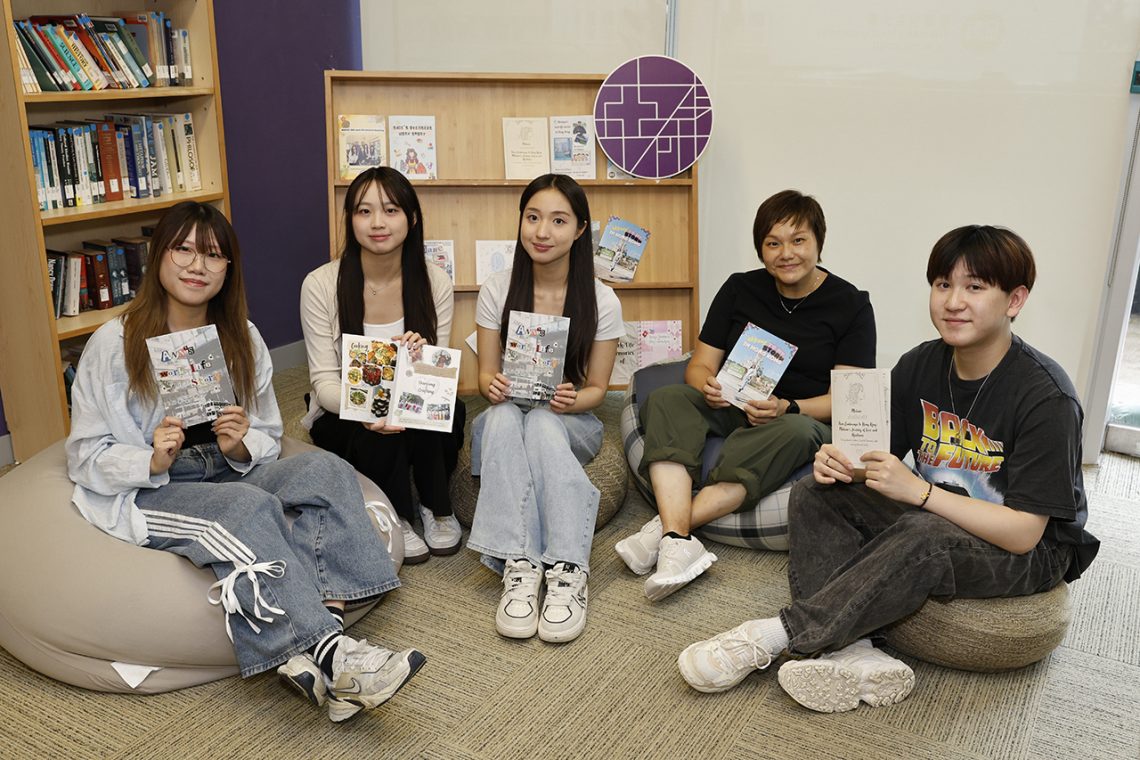
Ms Maggie Wong (second from right) hopes that students can enhance their empathy and sense of social responsibility through this project.
HSUHK students conduct group interviews with 14 FDHs and compile their experiences in Hong Kong into booklets.
(From left) Miley Siu, Daisy Fong, and Yan Zhuang express admiration for the optimism and resilience shown by Ann, a domestic helper they interviewed.
Inspired by the story of domestic helper Melanie, Ivan Ho (pictured) and Krys Yu reflect on the living and resting rights of FDHs.